
 Takeaways
- Even large estates come down to the same core questions: who inherits, who’s in charge, and what happens if heirs disagree.
- Shared ownership can create conflict; complex assets need clear rules and buyouts.
- A will can transfer property, but it may not protect long-term goals.
- “Fair” planning doesn’t always mean identical roles; responsibilities can match each person’s skills and availability.
- If charitable wishes or family values matter, put them in enforceable documents — not informal requests.
Ted Turner died on May 6, 2026, at age 87. He left behind five children, 14 grandchildren, and a legacy spanning media, philanthropy, and land conservation.
With any high-profile death comes a familiar question: who gets the money? But most families face a more practical question: who will be in charge, and what happens when it’s time to distribute your assets?
The full terms of Turner’s estate plan have not been publicly confirmed. Still, the public structure around his business interests, land holdings, and philanthropy offers estate planning lessons for everyday families.
From Billboards to Ranches
Turner’s career began with a sudden transition: In 1963, at 24 years old, he took over his family’s billboard company after the death of his father. NPR describes how he fought to keep the company from being broken apart, an early lesson in what can happen when a business changes hands unexpectedly.
Turner used the billboard business as an entrée into television. In 1970, he bought a struggling Atlanta TV station and helped pioneer the “superstation” concept by transmitting local programming to cable systems nationwide. In 1980, he launched CNN, the first 24-hour cable news network, despite widespread skepticism that such a channel could survive. His media holdings later expanded to include other networks, film libraries, and sports franchises, including the Atlanta Braves and Atlanta Hawks.
Inspired by a lifelong passion for nature that he traced back to a photo in National Geographic, Turner began acquiring ranchland and eventually amassed more than 2 million acres across the West and Great Plains, placing him among the largest private landowners in the United States.
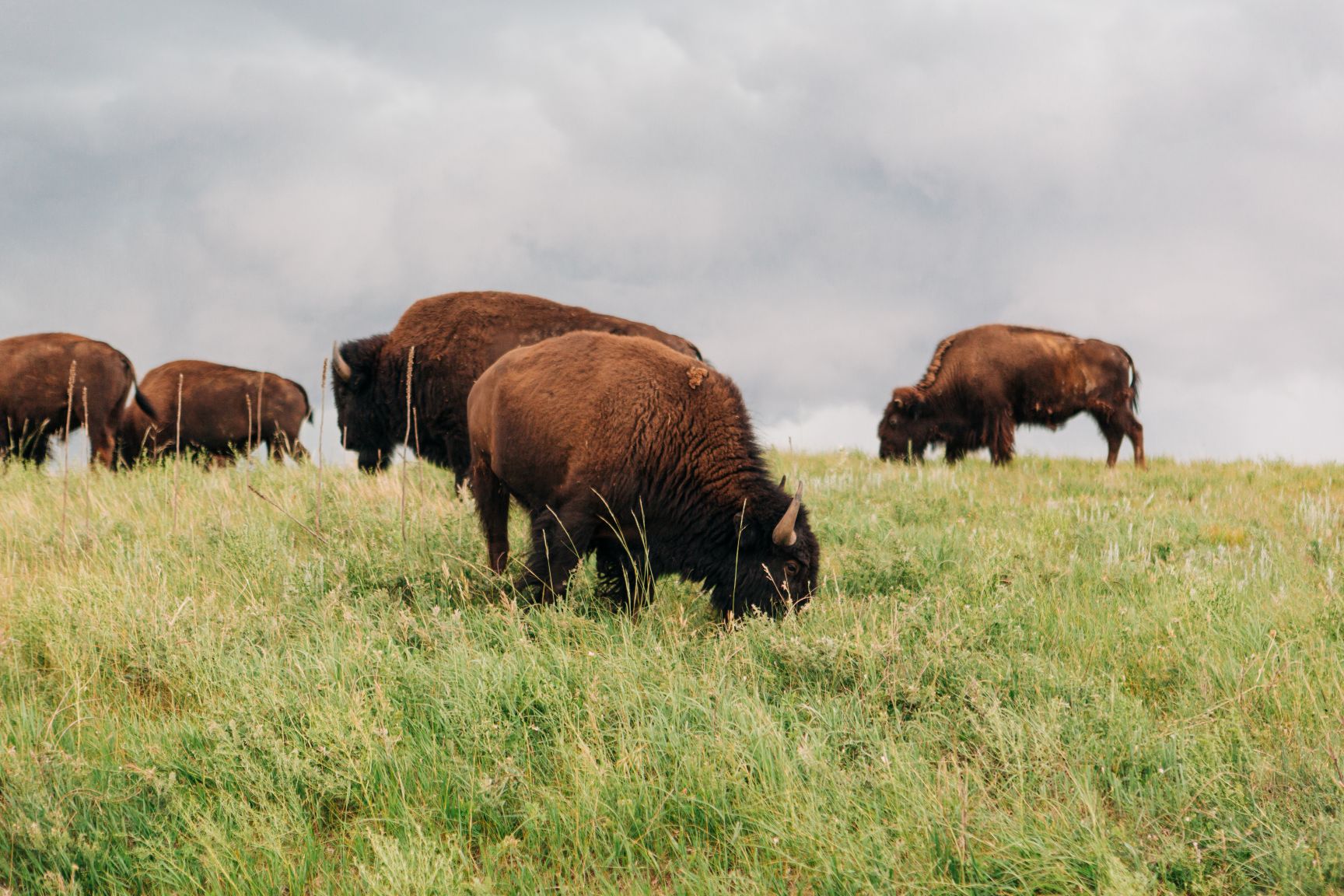
Turner Ranches were working operations managed around economic viability and ecological sustainability. His holdings included ranches in Montana, Kansas, Nebraska, South Dakota, and New Mexico. He systematically replaced cattle with bison and owned more than 45,000 bison across several ranches — believed to be the largest privately owned bison herd in the world.
The result of his life’s ambition was an empire of striking breadth — and a succession challenge to match.
What We Know About Turner’s Estate Plan
Turner’s public-facing legacy planning appears to have evolved alongside his career as his life’s work moved from wealth accumulation to land preservation.
In 1996, Turner sold CNN and the rest of his company, Turner Broadcasting System, Inc., to Time Warner for around $7.5 billion. But unlike companies that can be sold or merged, land often requires a completely different approach and long-term guardrails to keep it intact.
Turner’s full estate isn’t public, but his legacy structures suggest careful planning focused on conservation, philanthropy, and continuity. Turner sought to ensure that the vast landscapes he pieced together over decades would remain protected from development and division long after his death.
According to a tribute posted on the website of Turner Enterprises Inc., the private company that manages his business interests, land holdings and investments, Turner ensured that “upon his passing, his lands will continue to be protected, limiting future development and parcellation.”
Looking at the known structure of Turner’s holdings reveals a much more sophisticated estate planning story — one in which his heirs may be inheriting stewardship roles instead of simple lump-sum inheritances.
The Turner Foundation describes itself as a family foundation governed by a board made up of Ted Turner, his five children, and grandchildren once they reach age 25. The Turner Institute of Ecoagriculture also lists Turner family members, including his children, among its directors — a structure with clear estate planning implications.
Estate Planning Takeaways From Turner’s Legacy
Families don’t need millions of acres or a media fortune to face the same question: are you merely leaving assets behind, or a structure that protects them and helps your loved ones carry out your wishes? In other words, estate planning isn’t only about who inherits, but also about who can make decisions and keep things running.
Here are five lessons from Turner’s extraordinary fortune that anyone can apply to their everyday estate plan:
Inheriting an Asset Is Not the Same as Inheriting a Plan
Turner’s life story includes an abrupt handoff of his family’s business at age 24. Decades later, his public-facing structures seem designed to avoid passing down a similar, unexpected burden. By embedding his children into organizational governance, his planning suggests a forward-looking focus on preparation rather than leaving heirs to navigate a sudden handoff in a vacuum.
Legacy lesson: Without a plan, even a generous gift can become a logistical headache. Effective planning goes beyond signing a deed. It clarifies who can act, who can make financial decisions, how bills get paid, and how the transition happens.
Some Assets Need Stewardship, Not Simple Division
Turner’s land holdings were described as being managed through a centralized infrastructure. Carving them into a handful of equal physical pieces among his heirs could have risked the operational, financial, and ecological value of the entire enterprise.
Legacy lesson: One of the most universal hurdles for everyday families can be dealing with sentimental or complex family property. Whether it is a multigenerational vacation home, a local retail business, or a plot of land, parents often default to leaving the asset to their children as equal co-owners.
But that structure can lead to conflict or even force a sale if siblings can’t agree. These kinds of assets generally require explicit management and buyout rules built into an entity operating agreement or a trust rather than fractional shared ownership.
A Simple Will May Transfer Property, But It May Not Protect Purpose
Turner’s public planning indicates that a simple will, by itself, was insufficient to achieve his long-term land preservation goals. To protect his properties from commercial development, Turner relied heavily on permanent conservation easements and dedicated institutional frameworks.
Legacy lesson: A basic will can move property from one generation to the next, but it generally can’t control what a beneficiary does with that property. If your core estate planning goal is long-term, a standard will may not provide enough structure. Families may need stronger tools than a basic will — for example, a trust or a legally binding agreement that limits how the property can be used or sold.
Equal Inheritance Does Not Mean Identical Roles
The public structure of Turner’s empire points to a deliberate separation between family governance, operational management, and beneficial interests. While his children and several adult grandchildren have been actively connected to the governance of his foundations and institutes, his diverse business interests and investments remained insulated under a specialized corporate umbrella.
Legacy lesson: Many parents split estate responsibilities equally among their children out of fear of appearing unfair. A more nuanced estate plan acknowledges that a family can remain unified despite distinct roles. One child, for instance, can serve as trustee or business manager, while other siblings participate as financial beneficiaries or passive stakeholders.
Charitable Wishes and Family Values Must Be Built In
Turner’s environmental and philanthropic goals were not left as casual after-death requests. He integrated them directly into his organizations. A prime example occurred in 2021 when he donated the nearly 80,000-acre McGinley Ranch to his Institute. Although the Institute expressed a public intent to continue supporting the local community, an informal promise or statement of intent may not be enforceable. If it isn’t written into the legal documents, later decision-makers may not be required to follow it.
Legacy lesson: Good intentions and verbal requests — such as leaving an entire inheritance to one child with an “understanding” that they will follow your charitable giving wishes — frequently fail when mixed with taxes, family disagreements, or outside creditors.
If you wish to leave an enduring legacy or protect a specific condition, codify those desires through charitable bequests, donor-advised funds, or binding contract provisions so family values do not evaporate when circumstances change.
Protecting Your Personal “Empire” for Posterity
Turner’s ambitions and accomplishments over his nearly nine decades of life were larger-than-life. But the planning principles that helped protect what he built over a lifetime are available to almost anyone.
You have a say in how your life’s work is remembered and what happens to it after you are gone. That story does not write itself. It starts with a plan.